composition pictures
Research Into Cinematography- Composition Pictures
we were asked to go and shot with various compositional techniques
we were asked to go and shot with various compositional techniques


this is a low angled frame within a frame within a frame shot.

in this shot i used dynamic diagonal lines that is the character in the frame and the diagonal lines that in the graffiti.


In this shot i used framing techniques to creating many frames within a single frame.


 in the composition I used curves as the main feature of this shot being in the curve of the (remember)
In this composition I used leading lines as well as normal ones combined. this comes in the form of the iron bars
in front of the T. i also thought of the strong contrasting colours that is red in the black that attracts the viewers eye
Lo1 Cameras and camera settings-
there are a many different types of cameras that could be used to makes films like the following
 |
Sony HXR-NX3
|
 |
|
Canon XA20
|
 |
|
Panasonic AG-AC8PJ
|
 |
| We will be using the Canon EOS 70D |
Exposure Triangle-
The aperture refers to the size of the opening in the lens through which the light enters the camera. Aperture size is measured in something called f-stops if the -f-stops value is changed so does the opening. generally the higher the f-stops the smaller the opening, meaning aperture alters the depth of field.
Depth of field-
depth of field also called focus range or effective focus range, is the distance between the nearest and farthest objects. this technique is often used to forcefully direct the attention of the audience whist creating the general feeling that comes with Depth.
ISO
ISO refers to the level of sensitivity of your camera to available light intake, that lights the image that is all that is in frame this is normally measured in numbers. the lower the number representing lower sensitivity to light.
White Balance
this is the process of discarding unnatural colours so that objects which appear whit in person are rendered as whit in frame. this way it will ensure all colours are defined and are clear which ushers in a sense of warmth or coolness of the colours.
Lenses-
Lenses have a massive effect on the frame. there are many kinds of different of lenses such as the following
the fish eye is a a lenses that increases the wide panoramas and landscapes. i know these to be used
Ultra wide angle (fisheye)
the fish eye is Wide panoramas and skyscapes, artistic veiw. i have own these to be very popular in the skating media

 |
| In this screenshot i demonstrate which menu i could change the exposer of the camera lens |
 |
| In this screen shot you can see all the different modes of the camera |
 |
| This screenshot sows the MISC AND PAL menu. |
 |
| This screen demonstrates Direct light being that the light being shinned trough a window in to the main character and his surroundings being in darkness. During this workshop we learned a lot about different kinds of lighting equipment as well and different techniques for many effects these can be seen in the following images |
 |
| This again shows the use of Direct lighting. |
 |
| Indirect Lighting is used in this image as there are several source of light aimed on the model. |
 |
| This image shows a use of a blasting light. |
lighting Equipment
 |
| During these exercise we learned and used open gate filming lights. These lights are very powerful and multi purposeful. the gates on the camera can be closed to restrict the amount of light that comes through onto the shot. |
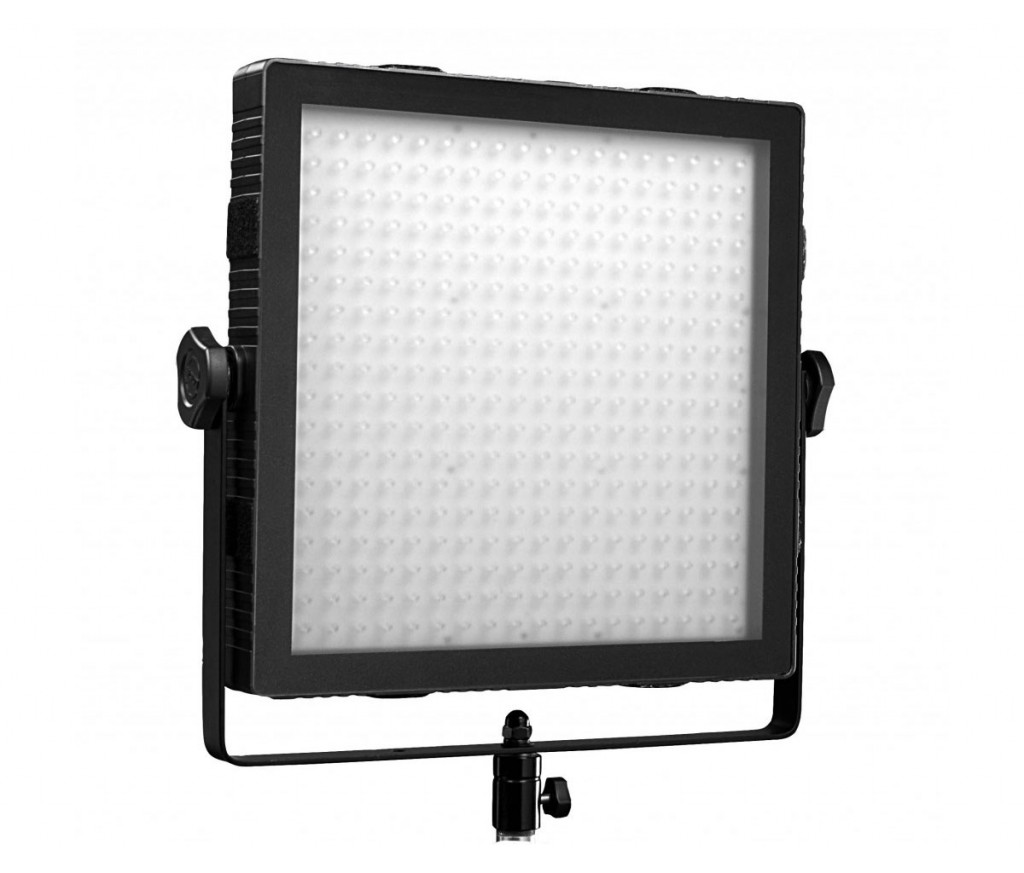 |
| This is a LED Panel light.They are so light and portable and can effectively allow you to shoot well in nearly any situation. In years past, if you needed to capture a night scene in a really dark exterior environment meaning you will not need to by or rent a portable generator. LED panel can be powered with a single V-Mount battery, which in turn solves the sound issue. Not to mention they stay cool when you’re working with them. |
 | ||
| They are called a ‘Fresnel’ because they use a ‘Fresnel’ lens, recognised by the characteristic ‘stepped’ moldidng on one face and the texturing on the other. An open faced lighting fixture is used to create hard light that casts hard shadows. It is not much more than a housing and reflector for the bulb, and provides nothing in between the bulb and the subject.
One and two and three point lighting. These lighting techniques are used to create different look and depth in the shot. having one source of ligt could make a shot look flat but adding the other lights at different angles would give the shot more dynamic.Key light is the main dominant light source that has the most influence on the subjects illumination and defines the visible lighting and shadows. This light is the key factor in three point lighting techniques and is normally the strongest intensity out of all the three lights in the set up. Set up behind the camera and out of frame, place the camera at a 45 degree angle in relation to the subject. the direct light will create a highlight on the side of the face.some images can be seen in the diagrams below
 gggggggggasdasdajsdajdhadhaksdh ajhsd ajsdh . asdhasdh a as hd h as asasd . gggggggggasdasdajsdajdhadhaksdh ajhsd ajsdh . asdhasdh a as hd h as asasd .  
Planning and stroryboarding

I will most likely but on a filter to
make this shot look darker. So that it looks more noir. will add the non-diegetic sounds during
editing. As the shot is about to end I will time the cut to the next shot in
time wit the sound tracks drop of point.The key light will be coming from the
light bulb. There will be no secondray
lighting. I plan on having the frame slowly zooming out rereavling the character underneith and have the light cast the shadow and shadow around the room.
 The key lighting in this shot will be the
natural light from the sun. I will also have a the same shot but at night. the key lighting will come from from a light of frame to left of the character in the slide. In the night seen i want the shadow of the subject to be elongated along the wal that they would be walkign by. The key lighting in this shot will be the
natural light from the sun. I will also have a the same shot but at night. the key lighting will come from from a light of frame to left of the character in the slide. In the night seen i want the shadow of the subject to be elongated along the wal that they would be walkign by. |

Comments
Post a Comment